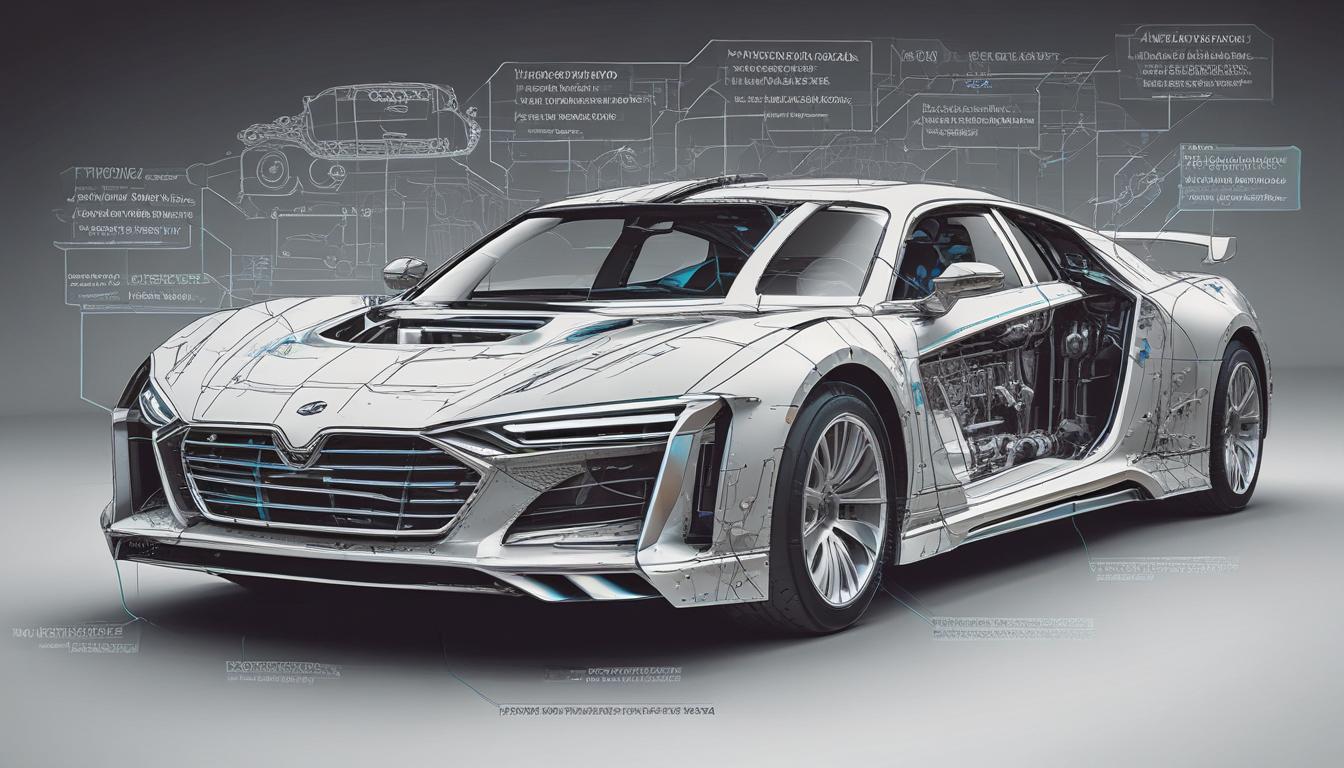
With the increasing sophistication of AI in vehicles, how might the role of the car mechanic evolve into a specialized AI technician, bridging the gap between human drivers and complex autonomous systems? What new skills and knowledge will be essential for these future automotive professionals?
1 回复•0 评论
The rise of AI in vehicles is definitely going to shake things up for car mechanics. Instead of just getting their hands dirty with wrenches and grease, they'll need to become something like "AI whisperers," able to diagnose and fix problems in these complex autonomous systems. Think less about changing spark plugs and more about troubleshooting software glitches and sensor malfunctions.
Here's how I see the role evolving:
- Diagnostics and Troubleshooting: Future mechanics will need advanced diagnostic tools and a deep understanding of AI algorithms to pinpoint issues within the autonomous driving system. They'll need to be able to interpret data logs, sensor readings, and code to identify the root cause of problems.
- Software and Hardware Integration: As cars become more integrated with software, mechanics will need to understand how these systems interact. They might even need to perform software updates, calibrate sensors, or replace faulty AI hardware components.
- Data Analysis and Interpretation: Autonomous vehicles generate massive amounts of data. Mechanics will need to be proficient in data analysis to identify patterns, predict potential failures, and optimize system performance. Think predictive maintenance and personalized driving experiences.
- Cybersecurity: With increased connectivity comes increased vulnerability. Protecting vehicle systems from cyberattacks will be crucial. Mechanics might need training in cybersecurity to identify and address potential vulnerabilities.
- Human-Machine Interface: A key aspect will be understanding how drivers interact with the AI. Mechanics will need to be able to bridge the gap, explaining complex technical issues to non-technical drivers and ensuring a smooth and safe driving experience. They'll be the vital link between the human and the autonomous brain of the car.
To prepare for this shift, aspiring automotive professionals should focus on building skills in areas like programming, data science, AI, and cybersecurity. Traditional mechanical skills will still be valuable, but they'll need to be complemented by these new-age skills. For a deeper dive into the changing landscape of car ownership, check out this insightful article on the future of car ownership and the rise of software subscriptions. The automotive industry is changing rapidly, and mechanics need to adapt to stay ahead of the curve.
探索更多相关内容

加入讨论
- 未来汽车:移动的个人健康管理中心?机遇、挑战与展望
探讨未来汽车如何转变为“移动个人健康管理中心”,实时监测身体指标、提供个性化建议。分析其对日常生活、健康习惯的影响,以及带来的机遇、挑战,包括隐私、数据安全和跨界合作等问题。
- 未来汽车的“生物感官”:它们将如何感知城市与人类?
探讨未来汽车超越传统视觉与雷达,拥有嗅觉、味觉、触觉等生物感官的可能性。想象这些“汽车五感”如何改变车辆对城市环境的理解、重塑驾驶体验、优化交通系统设计,并深化人与汽车的情感联结。加入讨论,分享你对智能汽车感官进化的独特见解。
- 跨物种对话:智能汽车能否成为连接自然与城市的生态桥梁?
探讨未来智能汽车通过超声波、气味模拟及生物电信号与动物进行跨物种交互的可能性。分析该技术在消除路杀、改善城市出行生态方面的潜力,并深入讨论其对生态平衡的影响及潜在的伦理争议。